
When you're shopping for a home, it is easy to get caught up in the property lines, the square footage, and whether or not the kitchen has that highly coveted gas range. But once the moving boxes are recycled and the new paint is dry, the actual value of where you live is often determined by what happens outside your front door.
If you want to know the true heartbeat of a neighborhood, don't look at the property taxes. Look at the local rec centers on a Saturday morning.
Community sports are the unsung heroes of real estate. Here is why the local soccer fields, basketball courts and flag football fields do more for your property value and your quality of life than any kitchen renovation ever could.
1. The Sideline Syndicate (Where the Real Networking Happens)
You can live next to someone for five years and never learn their last name if your only interaction is a polite nod while taking out the trash. But the moment you find yourself standing on the sidelines at Seton South Field, holding a lukewarm coffee and shivering through a brisk spring morning, you are instantly bonded.
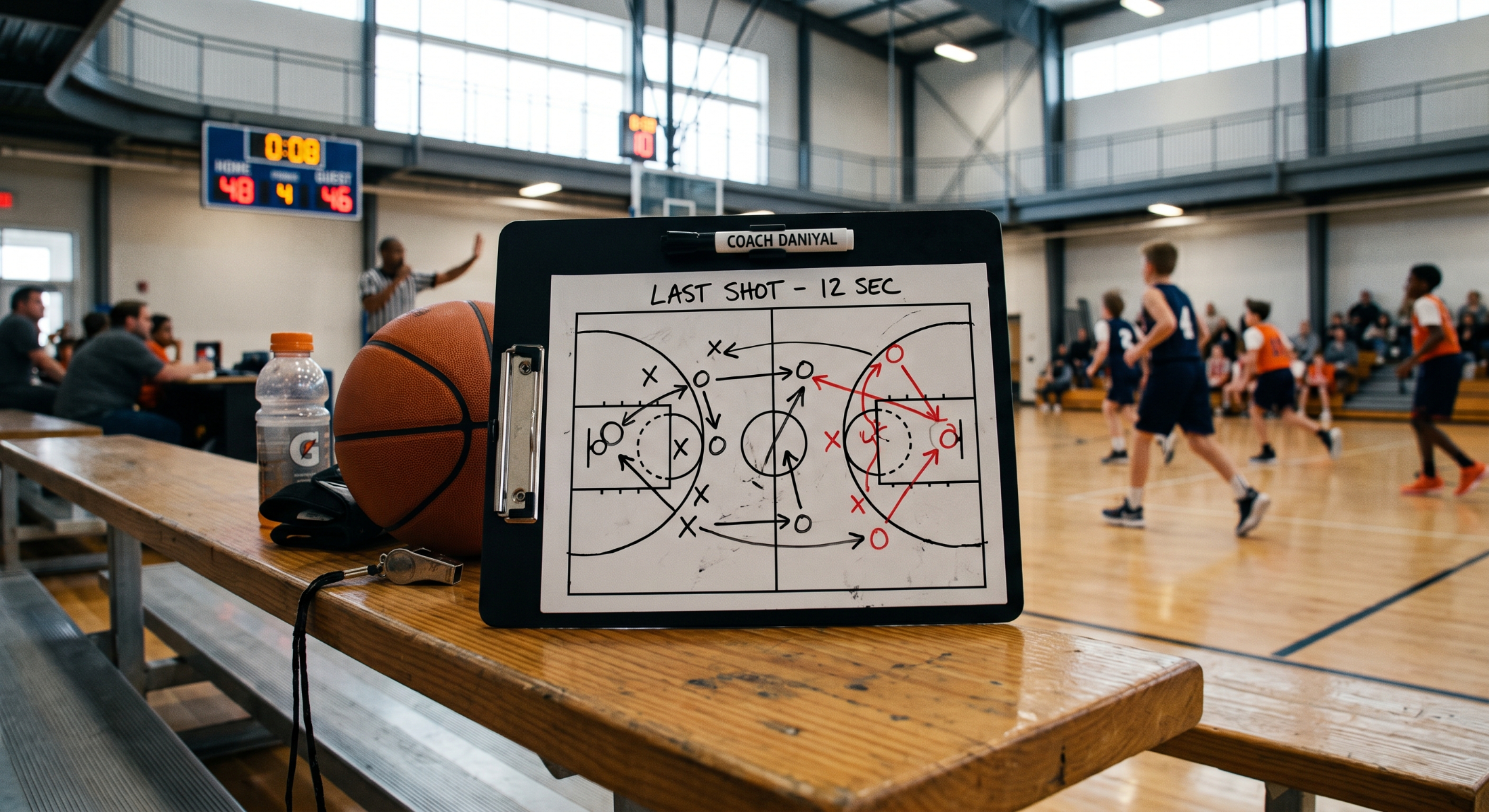
Youth sports force us out of our living rooms and into the community. Whether we’re cheering on our daughter as she drives down the basketball court or trying to run a cohesive flag football practice for our son and his teammates, the sidelines are where the neighborhood actually gets built. It’s where you find out which local mechanic to trust, who the best plumber is, and which houses are secretly getting ready to hit the market.
2. Proximity to Play (The Amenity Premium)
When buyers ask us to evaluate a neighborhood, one of the first things we look at is the proximity to major community hubs.
Having access to top-tier facilities like the Seton YMCA doesn't just give you a place to work out; it creates a gravitational pull for families. Homes located within walking distance or a short drive to comprehensive rec centers, well-maintained fields, and community rinks historically hold their value better and sell faster. Buyers are completely willing to pay a premium for the convenience of not having to commute forty-five minutes across the city just to get to a 7:00 AM practice.
3. The Volunteer Fabric
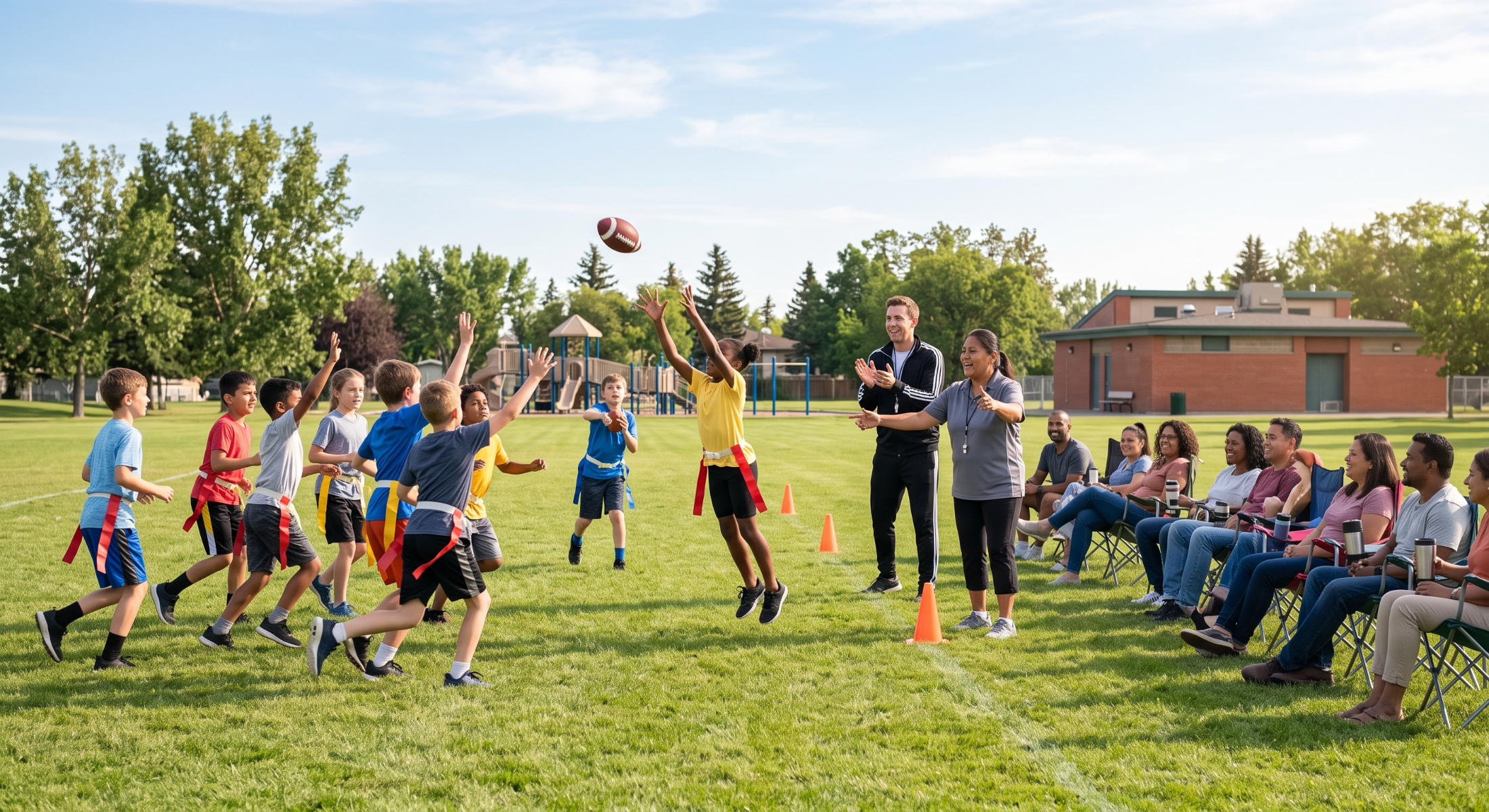
A neighborhood is only as strong as the people willing to invest their time into it. Anyone who has ever stepped up to coach a youth sports team knows it is roughly 10% tactical strategy and 90% trying to herd highly energetic cats.
It takes a village and usually a dedicated coach to help keep the chaos in check to run these leagues. But that volunteer spirit bleeds into the rest of the community. Areas with high participation in local sports leagues tend to have more active community associations, better-maintained parks, and a stronger collective voice when it comes to city planning and neighborhood safety. When people invest in the kids, they are inherently investing in the neighborhood.
4. The Cul-de-Sac Carryover
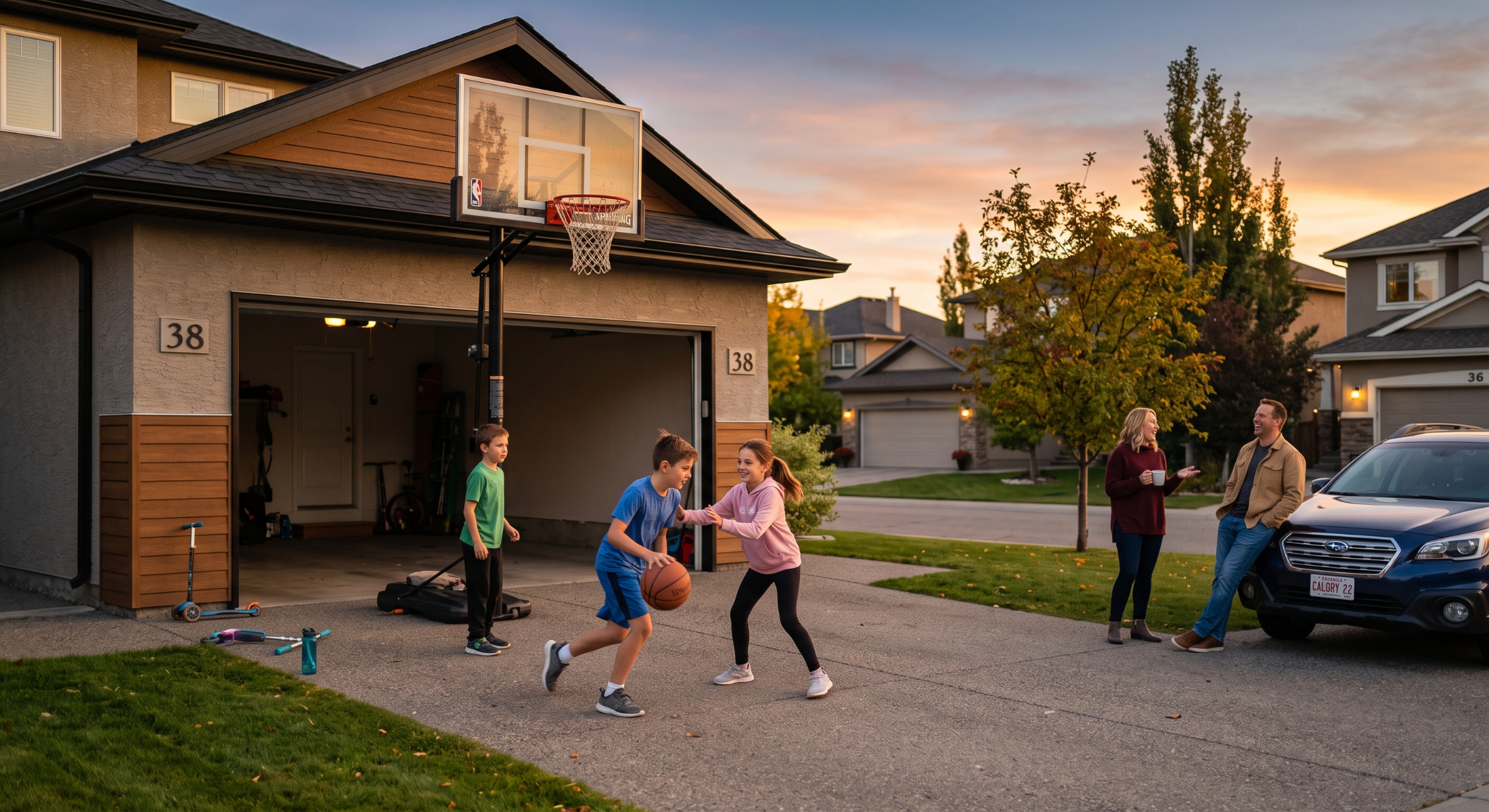
The beautiful thing about community sports is that the game rarely ends when the final whistle blows. It carries over. The kids who meet on the flag football team end up riding their bikes together after school. The driveway basketball hoop becomes a central gathering spot for the entire block. Suddenly, your street isn't just a row of houses; it’s an active, vibrant environment where neighbors actually look out for one another.
The Final Whistle
When you are hunting for your next home, take a drive through the community on a weekend. Look for the crowded soccer fields, the busy basketball courts, and the packed rec center parking lots.
Those aren't just signs of traffic; they are signs of life. And when it comes to making a long-term investment in your family's happiness, a vibrant, connected community is the ultimate home-court advantage.
Comments:
Post Your Comment: